

What are the chemical peels?
Chemical peels cause a level of epidermal damage in order to stimulate new tissue which improves skin texture and overall appearance. Chemical exfoliation works by loosening the connections between the dead skin cells, this is what causes the skin exfoliation and helps to stimulate healthy new skin cells.
Skin conditions:
Chemical peels are ideal clinical treatments to treat skin concerns including acne, aging, hyperpigmentation, uneven texture, rosacea and more. With a wide variety of peel options including very superficial to medium depth peeling, can target specific skin conditions, being as gentle or aggressive as needed.
Layers of peel:
Chemical peels can affect two layers of the skin, the epidermis and the dermis. The epidermis is the visible outer layer, and the dermis sits just beneath.

Preparing the skin before peel:
The skin must be adequately prepared prior to a medium depth chemical peel treatment to increase the effectiveness of the chemical peel treatment and avoid-post peel complications including Post-Inflammatory Hyperpigmentation.
Chemical peel preparation must include both clinical treatments and home care routines for a minimum of the specific number of weeks depending on Fitzpatrick Type and Peel Depth. Peel treatments should begin with a basic facial then progress to a very superficial peel and gradually progress to superficial peels then to medium depth peels.
Home care require:
Active home care routines must be used for a minimum of 2-6 weeks depending on a variety of factors including: Fitzpatrick Type, Chemical Peel Depth, Client's Goals, Sun Protection Adherence.
-
Some peels required 4- 6 treatments.
2 -4 weeks apart.
-
Usually no peeling, flaking or irritation: Most clients do not experience peeling or flaking skin after treatment. Of course, this will vary depending on the skin type.
-
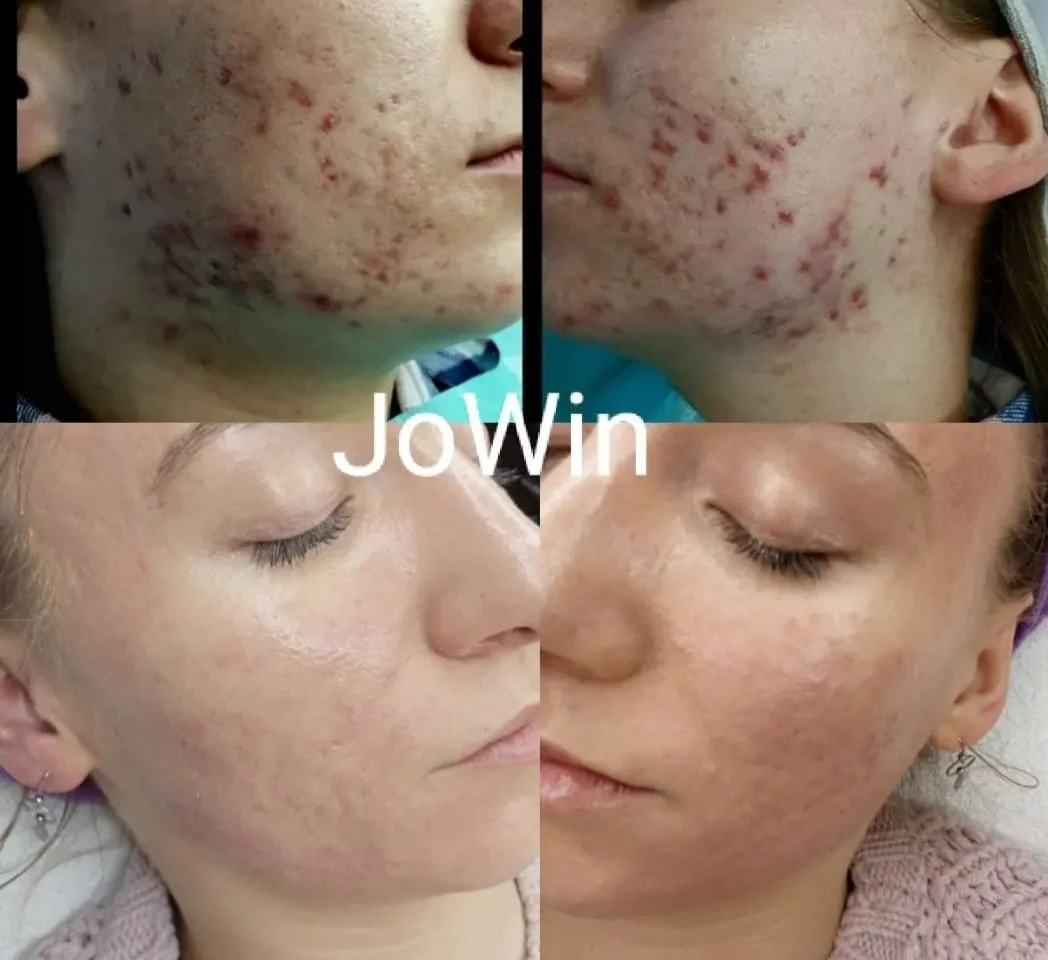
A chemical peel is a treatment that peels the top layer of skin to promote new skin growth and improve the appearance of melasma, sun-damage, acne scars, wrinkles, and lighten dark spots. Peels for lightening dark spots use ingredients that remove melanin which is skin pigment.
-
Chemical peels as a procedure to improve skin texture, pores, acne, sun-damaged, pigmented, and wrinkled skin by peeling it with chemicals.
As the old skin peels off, new skin appears that is much fresher looking. But chemical peeling will not stop the aging process or prevent it.
In addition to getting rid of the old, dull skin, a chemical peel can also stimulate the production of fresh, new skin cells.
Chemical peels can also boost collagen and elastin production, which can plump and tighten your skin.
-
Treated areas take about seven to 14 days to heal after a medium chemical peel, but redness might last for months.
-
1: Avoid extensive sun exposure, especially in the 10 days prior to your scheduled chemical peel.
2: No facial waxing for 7 days prior to treatment. If you are on acne treatment regimen, stop the use of Retinol and exfoliating agents. Make sure you have reviewed the list of chemical peel contraindications of who should avoid/ not get a chemical peel.
3: Botox/ Filler 2 weeks pre and post, wait minimum 14 Days.
4: Avoid any irritants to your skin: including retinoids, retinol, glycolic, salicylic acids, benzoyl peroxide, astringents and Vitamin C 5-7 Days Prior to your appointment.
5: Do not wax, tweeze or use depilatory creams 3-7 Days Prior your treatment.
6: Do not tan or have prolonged sun exposure, please re book if you have a sun burn.
7: Swimming 72hrs Some swimming pool disinfectants contain Iodides and Chlorine, which can remain in the water, causing skin problems for frequent swimmer.
8: Do not use tanning products.
9: If you are pregnant and breast feeder please do not get the chemical peels.
10: If you had previous cancer treatments please avoid chemical peels.
-
1: The first thing you will want to do when you see peeling skin is pick at it but that's the last thing that you should do.
2: Avoid tanning and sauna. For the first week following your chemical peel.
3: Avoid washing your face or showering with hot water. Let your skin peel naturally.
4: Be gentle with your skin and avoid exfoliation.
5: Always use sunscreen and limit your exposure to the sun.
6: Moisturize and hydrate. Since peels can temporarily compromise your skin's protective barrier, it's important to reinforce that barrier with a medium-to-thick moisturizer.
7: Also, drink more water to help avoid dehydration, which could make your skin feel tight.
8: Avoid using hot water for at least one week. Avoid exercise.
9: Don't overexpose yourself to the sun, harsh environments, or pollutants. Apply sunscreen after 2 hours.
10: Don't wax or use any form of hair removal 1 week before and up to 1 week after treatments.
11: Don't pick at any of your skin that may be peeling. After a chemical peel, it is important to avoid certain products that can irritate your skin, such as toners, astringents and exfoliants.
12: We recommend using gentle, fragrance-free cleansers and moisturizers to help soothe your skin. Avoid Alcohol.
Frequently asked questions:

Homecare must be required before and after: